
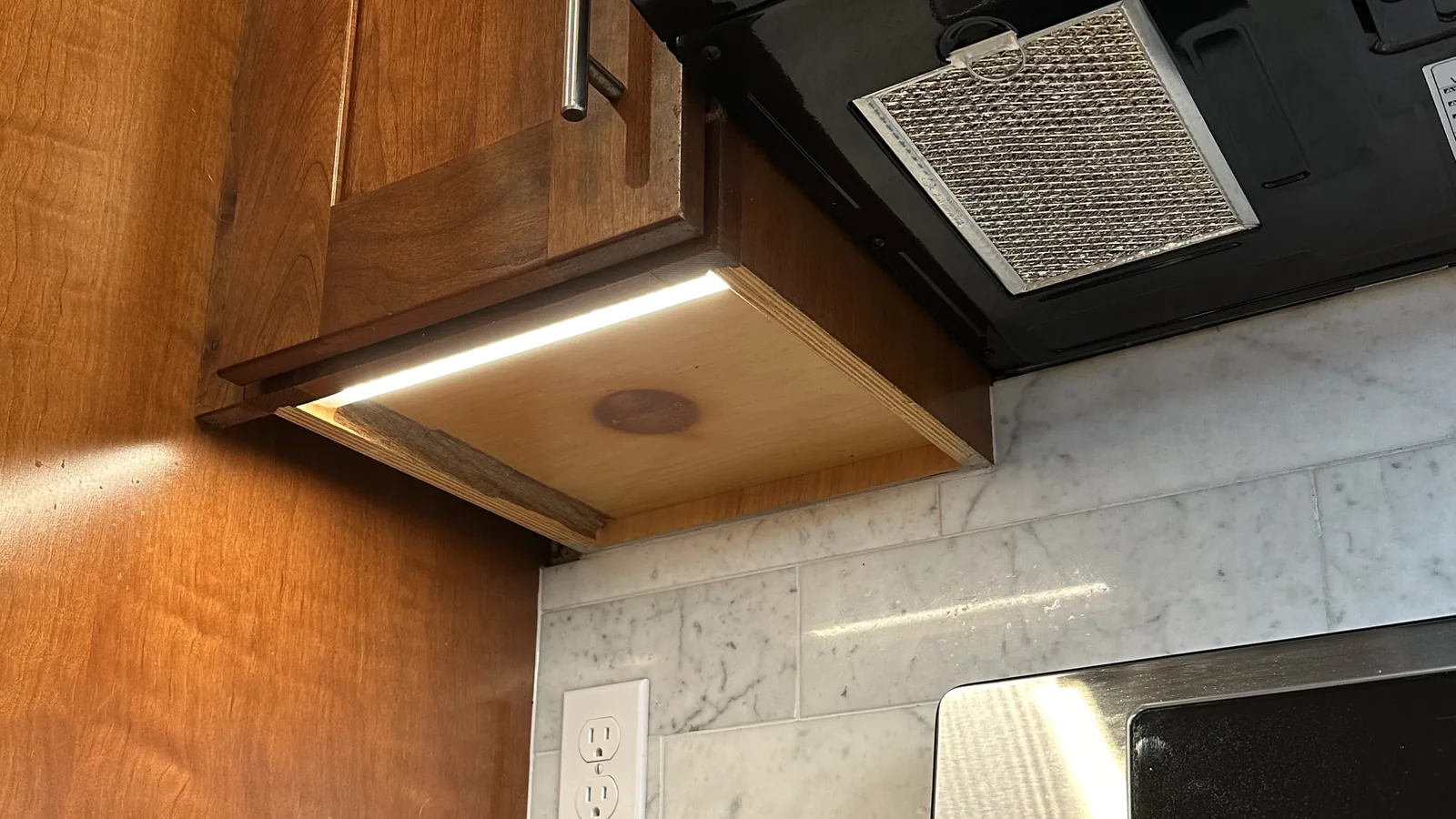
One Appliance, One Circuit of Its Own
When the microwave dims the kitchen lights and the breaker gives up mid-dinner, the answer is usually a wire that never got run. We run it, in homes around the Cotati plaza and out on the rural parcels.
Find out what it’ll cost
Tell us what’s going on. The owner reads every message and gets back to you, usually same day.
Free, no-obligation first visit. CA licensed & insured.
What a circuit of its own actually means
A dedicated circuit is one wire, one breaker, one job. It leaves the panel, goes to a single appliance or a single outlet, and shares its capacity with nothing else in the house. That is the whole idea, and it is unglamorous work, which is probably why so many Cotati homes are missing several of them.
The alternative is what most older houses here already have. A single 15 amp circuit leaves the panel and picks up the kitchen counter outlets, a light or two, maybe the dining room and a bedroom wall on its way through. That was a perfectly reasonable way to wire a house when the counter held a toaster and a percolator. It stops being reasonable when the same wire is asked to carry an air fryer, a countertop oven, a coffee machine with a heating plate, and a phone charger, all before eight in the morning.
The appliances in a Cotati house that need their own
Some of these are required outright, and some are simply the difference between an appliance that works and one that keeps quitting. The list we run into most often around town:
- Kitchen counter receptacles, which want at least two small-appliance circuits of their own
- An electric range or a cooktop, on its own heavy circuit
- A dryer, likewise, and never shared with the washer
- A built-in microwave, which almost always trips something if it is not alone
- A dishwasher and a disposal, ideally separated from each other
- A well pump or a septic pump on the rural parcels outside the city core
- An EV charger in the garage or on the driveway wall
- A heat pump, a mini split, or a bathroom heater
- A shop compressor, table saw, or welder in a detached garage
A tripping breaker is not the failure. It is the part of the house that is still working correctly.
Fishing a new run through an older Cotati home
We walk the path before we quote it. In the smaller homes near the plaza, that usually means checking whether there is a real attic or just a shallow cavity, whether the crawl space is workable or waterlogged, and whether the wall we need is stud framed or something older and less cooperative. Post-war and later subdivision homes on the streets around the core are generally kinder, with accessible attics and predictable framing, and a run there is often a matter of hours.
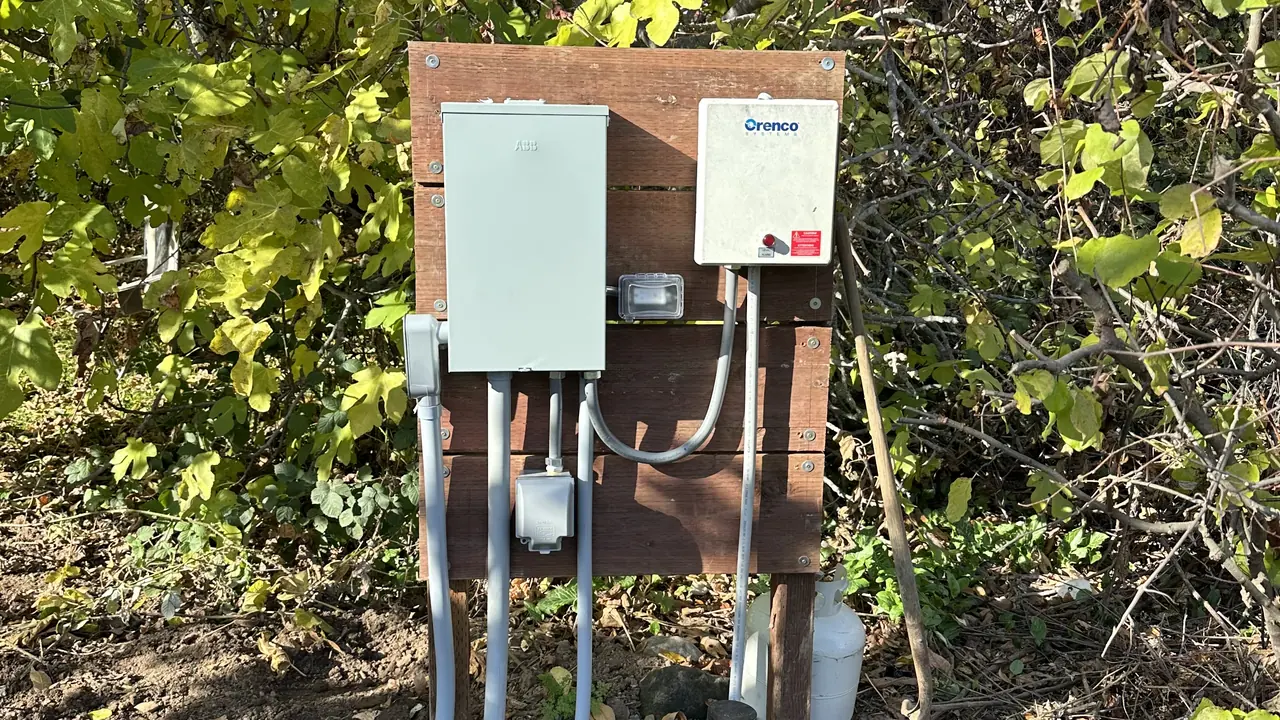
On the rural parcels at the edges of town, a circuit for a well or septic pump is a different animal again. That run leaves the house, so it wants conduit, a proper disconnect within sight of the equipment, and burial depth that will still be right in twenty years. We build those the way you would want them built, because we are the ones who get called when they fail in February.
Protection, permits, and how the circuit lands
A new circuit is not finished when the wire reaches the outlet. What it lands on matters, and California has steadily expanded where arc fault and ground fault protection are required. In broad terms, receptacles near water, in kitchens, in laundry areas, in garages, and outdoors lean toward ground fault protection, and most living spaces lean toward arc fault protection. The specific answer depends on the room and the appliance, which is exactly what we work out with you before the wire goes in rather than after.
We pull a permit for circuit work when the scope calls for it, and we would rather have the inspection on record than save you an afternoon. That record is what a buyer’s inspector asks about later, and unpermitted circuit work is a genuinely awkward thing to explain during a sale.
Start with the circuit you already know about
The first visit is free and carries no obligation. We open the panel, trace what is actually on each breaker, look at the path a new run would take, and put what it’ll cost in writing before anything is scheduled. Call (707) 684-0024 or send us a note. You can see finished work in the gallery, or read about the rest of our electrical work in Cotati.
Talk to the owner
The person who quotes the job is the one who does it.
(707) 684-0024What It’ll Cost- CA Licensed & Insured
- Permits pulled where required
- Runs fished, walls respected
- Panel directory left legible
- Veteran & senior discounts
Jobs that tend to arrive together
Small jobs, taken as seriously as big ones
A single circuit is a small ticket. It is also the job most likely to be done sloppily, because nobody is watching. We do them the same way either way.
Licensed & Insured
CA licensed, insured, and bonded, with permits pulled where the scope requires one.
Traced, Not Assumed
We find out what is really on each breaker before we add anything to your panel.
We Know These Houses
Plaza-adjacent cottages and the subdivision stock around them fish very differently.
The Owner Shows Up
The same person from the first look to the last label on the panel door.
Trusted across Sonoma County
“A breaker kept tripping in our older home. They diagnosed it in under an hour after another company couldn’t. I won’t call anyone else now.”
“Needed a panel upgrade for a new hot tub. They handled the entire job including the permit. The new panel is incredibly tidy.”
“Installed a Tesla charger in our garage. Seamless from the first call to the final inspection. Professional, clean, and they explained everything.”
Find out what your Cotati circuit will cost
Free, no-obligation visit. The owner takes the call. See our recent work in the gallery.