

One Device at the Panel, Before the Next Surge
Whole-house surge protection sized and installed at your Rohnert Park service, with a straight explanation of what it stops and what it does not.
Find out what it’ll cost
Tell us what’s going on. The owner reads every message and gets back to you, usually same day.
Free, no-obligation first visit. CA licensed & insured.
Ask anyone in Rohnert Park about the power and you will hear the same two things. It goes out during shutoff season, and it flickers more than it used to. Neither one is dramatic on its own. What they do over years is quietly wear on the electronics in the house, and the damage tends to show up as things failing early rather than a single spectacular event.
A whole-house surge protective device installed at the panel is the cheapest defense there is. It is a small piece of equipment, it takes a couple of hours, and it does one job well. We install them, and we will also tell you honestly where the limits are, because a surge device oversold is worse than none at all.
Work we handle in Rohnert Park
- Type 2 devices installed at the main service panel
- Type 1 devices on the line side where the service allows
- Protection for heat pumps, EV equipment, and well pumps
- Point-of-use protection for the sensitive gear
- Panel and grounding checked before anything is added
- City permit and inspection where the work requires it
What PSPS cycling actually does to a house
A Public Safety Power Shutoff is not a single clean off and on. Ahead of one, and during the restoration afterward, the line can cycle several times as PG&E sections and re-energizes the circuit. Every one of those restarts sends a voltage transient down the line. Add the fall wind events that drop branches on conductors, the routine switching that happens on any distribution grid, and the occasional nearby lightning, and the average Rohnert Park service sees more transient activity in a year than most people would guess.
Almost none of it is big enough to notice. That is the point. A refrigerator inverter board, an HVAC control board, a router, a television power supply, all of them absorb small hits and degrade a little each time. Then one day a five year old appliance dies and it looks like bad luck. Sometimes it was. Often it was cumulative.
The other half of the problem lives inside the house. Most surges, by a wide margin, originate on the customer side, from motor loads switching off. A well pump, an air conditioner compressor, a garage door opener, a pool pump. A device at the panel catches those too, and in a home with a heat pump running most of the year that is not a small benefit.
Type 1 and Type 2, in plain terms
Type 1 devices are rated to be installed on the line side of the main disconnect, meaning between the utility connection and your main breaker. Type 2 devices go on the load side, inside the panel, typically fed by a two-pole breaker right next to the main. Both work. The practical difference is where the equipment can legally and physically be mounted, and how much of the service the device covers.
For most Rohnert Park homes, a Type 2 device at the main panel is the right answer. It is simpler, it does not involve the meter, it costs less to install, and it protects everything downstream of the main. A Type 1 goes in when the meter and panel arrangement supports it and there is a reason to want protection ahead of the main. If your panel is being replaced anyway, that is the natural moment to have the conversation, since the device is nearly free to include at that point compared to adding it later.
Whichever type, the device has to be mounted with the shortest possible leads to the breaker and to the neutral and ground bars. Long, looping conductors add impedance and blunt how quickly the device can clamp. This is the detail that separates an install that performs from one that just looks installed, and it is the reason we do not hand this job to a helper.
What it will not do, said plainly
A surge protective device is not a battery, and it will not keep your lights on during a shutoff. It does not regulate voltage, so it will not fix a brownout or the dip you see when the AC starts. It does not clean up flicker. If a direct lightning strike hits your service, no device at any price is going to stop that, and anyone who says otherwise is selling something.
What it does is clamp the transient voltage spikes that ride in on the line and shunt them to ground before they reach your equipment. It has a finite absorption capacity, measured in joules, and it wears down over its life. Good devices have an indicator light or an audible alert that tells you when the protection has been used up, and that indicator is worth checking a couple of times a year. When it goes, the device gets replaced. It is not a lifetime install.
It also does not replace point-of-use protection. A panel device handles the big incoming hits, but a decent surge strip at the desk, the entertainment wall, or the network gear catches the smaller stuff generated inside the house closer to where it starts. The two layers work together, and we will tell you which pieces of equipment are worth the second layer rather than telling you to strip-protect everything.
Rentals near Sonoma State, and why they get hit harder
The east side of Rohnert Park, along Snyder Lane and Southwest Boulevard and through the M section within a mile of campus, holds a lot of Sonoma State rental stock. Those houses are dense with electronics, computers, monitors, consoles, chargers, network gear, often four or five students worth of it in a three bedroom tract home that was wired when a color television was the biggest load in the building.
For a landlord, a device at the panel is one of the better dollar-for-dollar moves available. It is a one-time install on equipment you own, it protects the appliances you are responsible for replacing, and it does not depend on any tenant remembering to plug things into the right strip. We install a fair number of these for rental owners between leases, and it is a quiet job that takes a couple of hours with the power off.
The panel and the ground come first
A surge device works by pushing energy to ground. If the grounding electrode system is compromised, and on plenty of 1960s and 1970s services it is, the device has nowhere good to send that energy and the protection is largely theoretical. So we check the grounding before we add the device: the electrode conductor, the connection at the water pipe or ground rod, the bonding inside the panel. Sometimes that is the actual repair and the surge device is the easy part.
We also look at the panel itself. If it is a Zinsco or a Federal Pacific Stab-Lok, which many houses in the older lettered sections still carry, we are not going to install a surge device into it and call the job done. Both brands have a documented history of breakers failing to trip on a fault, and hanging new equipment on a panel whose protection cannot be verified is the wrong order of operations. We will say so calmly, quote the panel, and put the surge device on the new one where it belongs.
Start here
The first visit is free and carries no obligation. We open the panel, check the grounding, look at what you are actually trying to protect, and tell you what it’ll cost in writing. Call (707) 684-0024 or send us a note and we will get you scheduled. The gallery shows how our panel work comes out, and you can read more about our electrical service in Rohnert Park from there.
Talk to the owner
The person who quotes the job is the one who does it.
(707) 684-0024What It’ll Cost- CA Licensed & Insured
- City of Rohnert Park permits pulled
- PG&E coordination handled
- Free, no-obligation visit
- Veteran & senior discounts
Work that often goes with surge protection
Panel work you can see


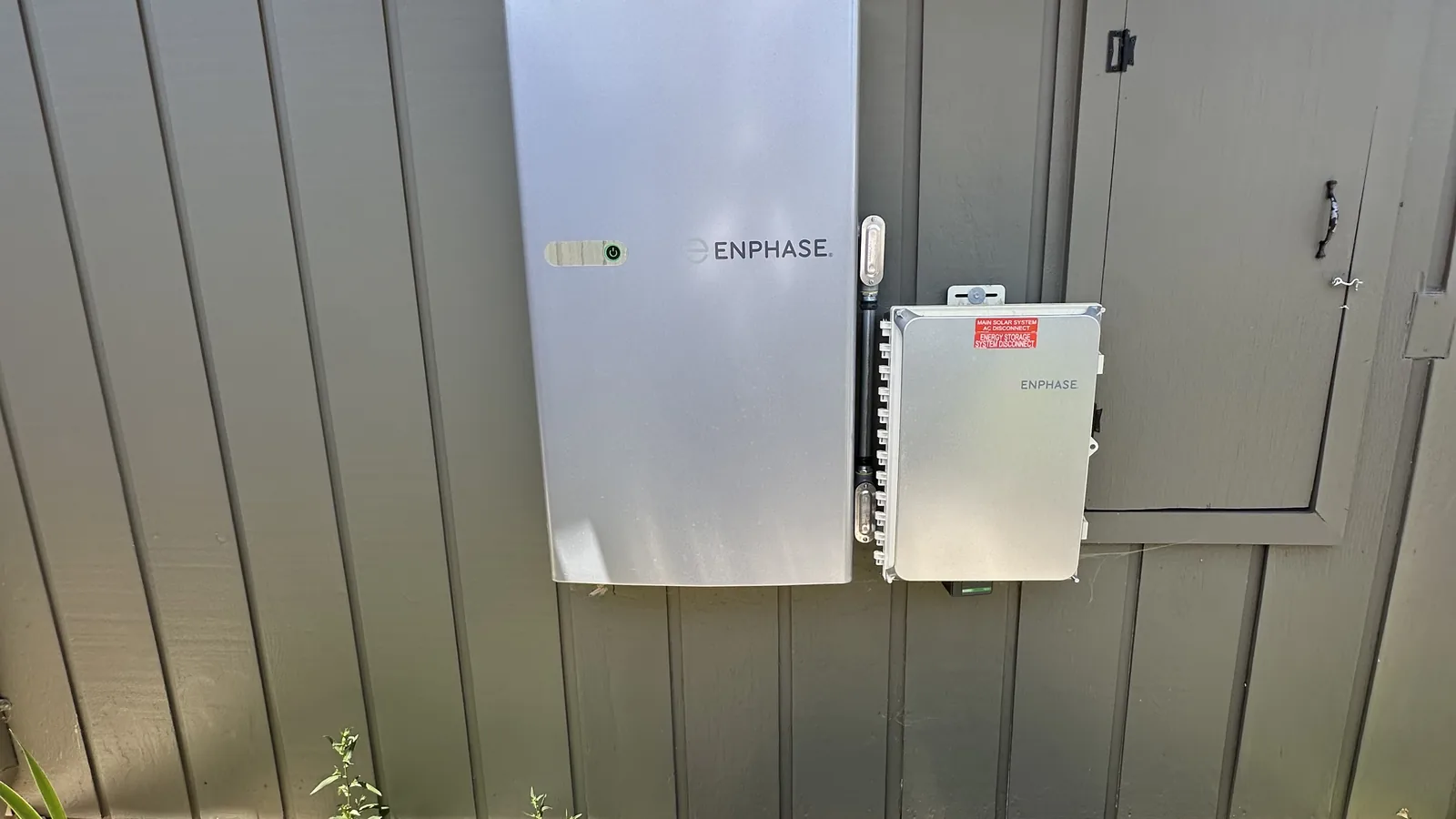
Protection installed the way it was designed to work
The work that lasts is the work that was sized, permitted, and done slowly enough to get right.
Licensed & Permitted
CA licensed, insured, and bonded. Work that needs a permit gets one, and gets its final inspection.
Sized, Not Guessed
A real load calculation decides the work, including what you plan to add later.
We Know These Sections
The lettered sections were built in waves, and each wave asks for different work.
The Owner Shows Up
Same person from the first look to the day the inspector signs the card.
Trusted across Sonoma County
“A breaker kept tripping in our older home. They diagnosed it in under an hour after another company couldn’t. I won’t call anyone else now.”
“Needed a panel upgrade for a new hot tub. They handled the entire job including the permit. The new panel is incredibly tidy.”
“Installed a Tesla charger in our garage. Seamless from the first call to the final inspection. Professional, clean, and they explained everything.”
Find out what surge protection will cost at your panel
Free, no-obligation visit. The owner takes the call. See our recent work in the gallery.